Work-Based Learning: Iowa's Competitive Advantage
By Dr. Wendy Mihm-Herold – President & CEO, Iowa Jobs for America’s Graduates (iJAG)
This is a three-part thought leadership series that advocates and showcases the impact of work-based learning in Iowa.
Part I: Why work-based learning?
Iowa’s economic future will not be determined by chance. It will be shaped by the decisions we make today about how we prepare young people for work—and how deeply businesses choose to engage in that preparation.
Breaking Down Silos: Education and Workforce as One Pipeline
For too long, we have framed education and the workforce as separate systems. They are not. They are one continuous pipeline. At the center of that pipeline is Work-Based Learning (WBL)—a proven strategy that connects classroom learning to real-world application while helping employers grow their own talent.
The urgency is clear:
- Baby Boomers are retiring in record numbers
- Generation Z remains underrepresented in key sectors like manufacturing, healthcare, logistics, and skilled trades
- Automation and AI are transforming how work gets done
But here’s what the latest research tells us: technology alone does not drive performance—human skills do.
The Human Skills Advantage
A recent Deloitte study on high-performing teams found that while top teams use AI more frequently than others, their success is rooted in trust, adaptability, autonomy, and a culture of apprenticeship. Members of high-performing teams are three times more likely to feel trusted and respected and nearly three times more likely to help each other learn and grow. The lesson is powerful: AI may enhance performance, but human skills determine it.
The Three-Pronged Competitive Advantage
This insight has enormous implications for how we prepare students. For years, I have advocated that young people must build a three-pronged competitive advantage:
- Academic knowledge
- Technical competency
- Professional (human) skills
Today’s employers consistently report that the third pillar—professional skills—is where the greatest gaps exist. Communication, adaptability, resilience, teamwork, critical thinking, punctuality, and emotional intelligence are not “soft” skills. They are essential skills. Work-Based Learning is one of the most effective ways to build them.
Building Professional Skills Through Real Experience
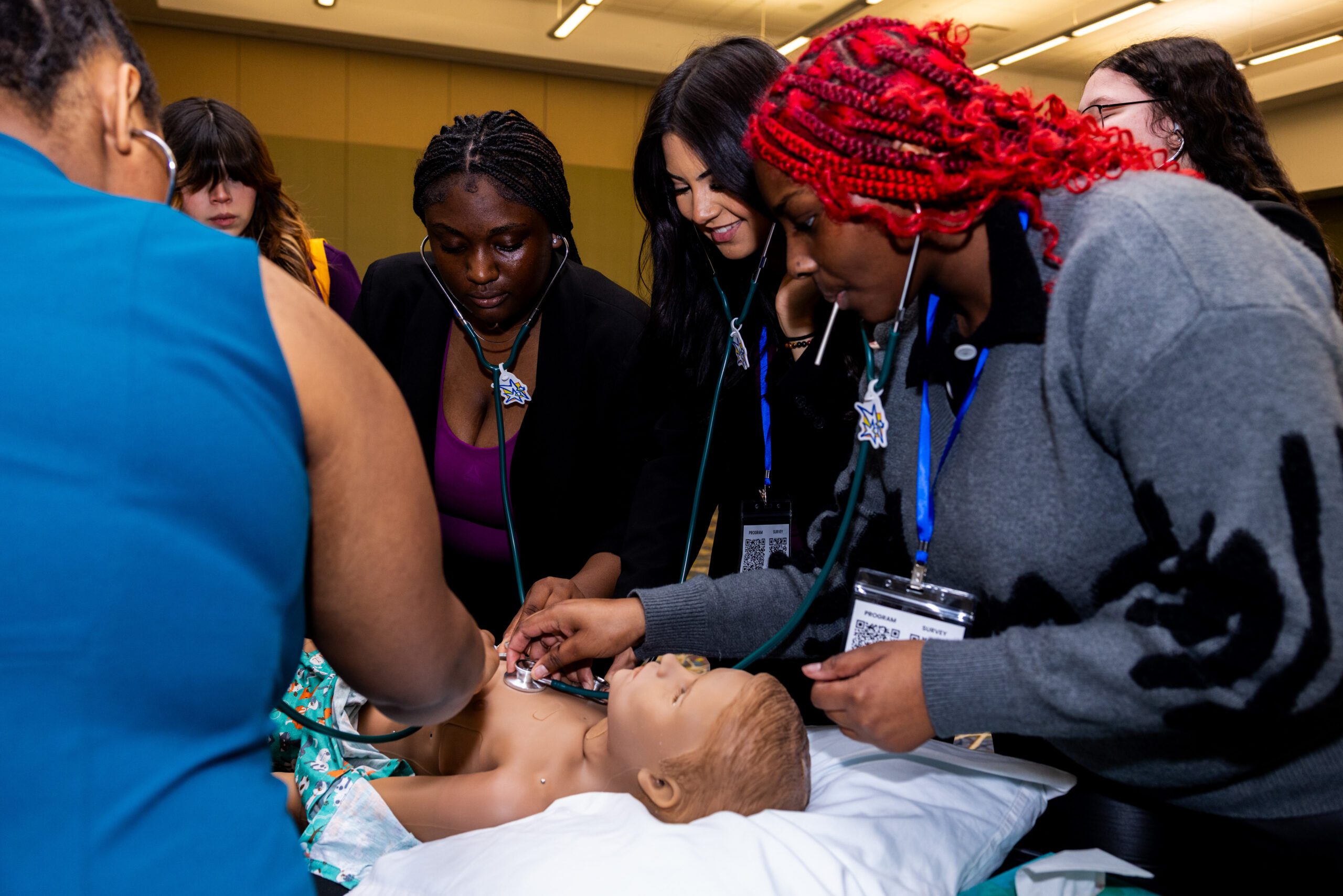
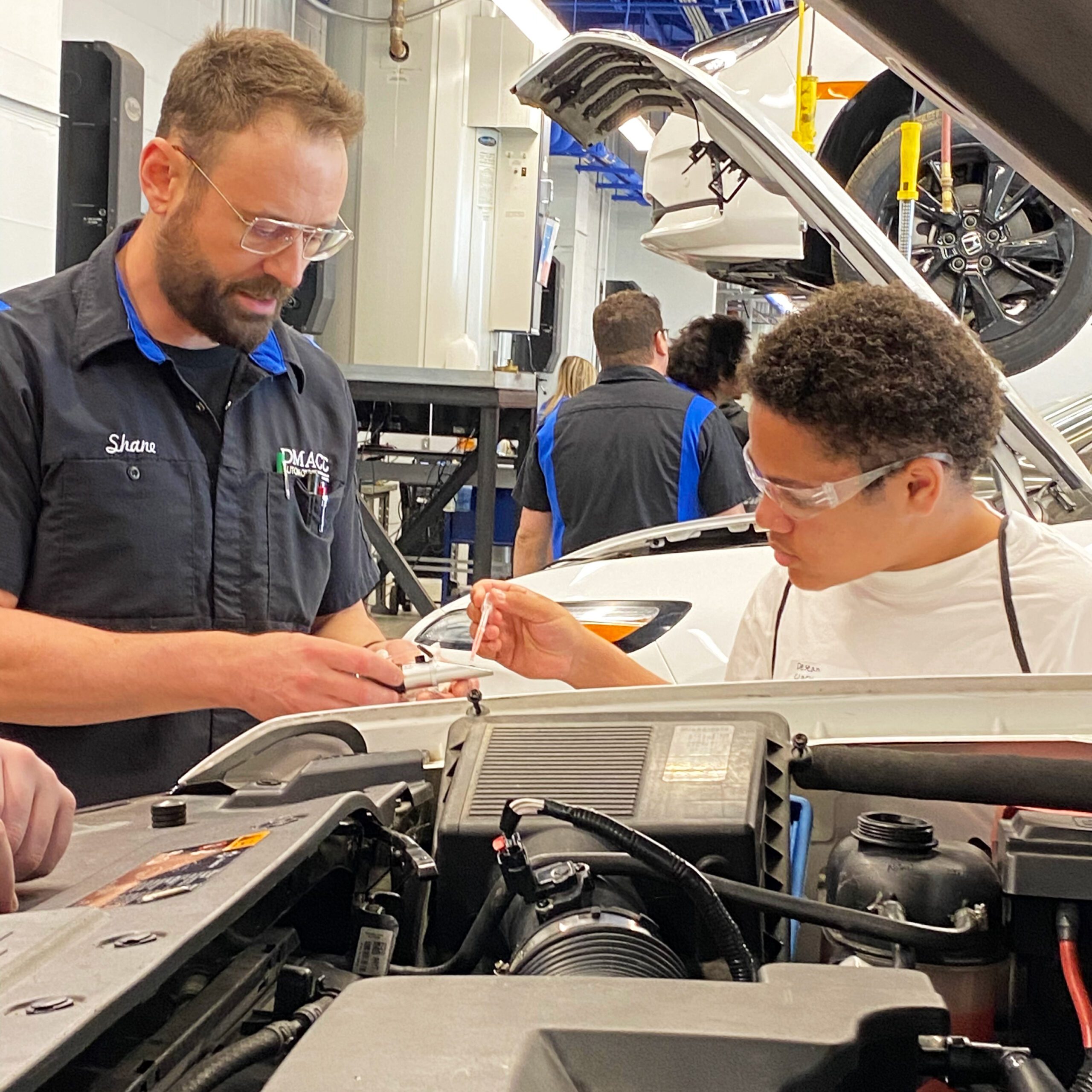
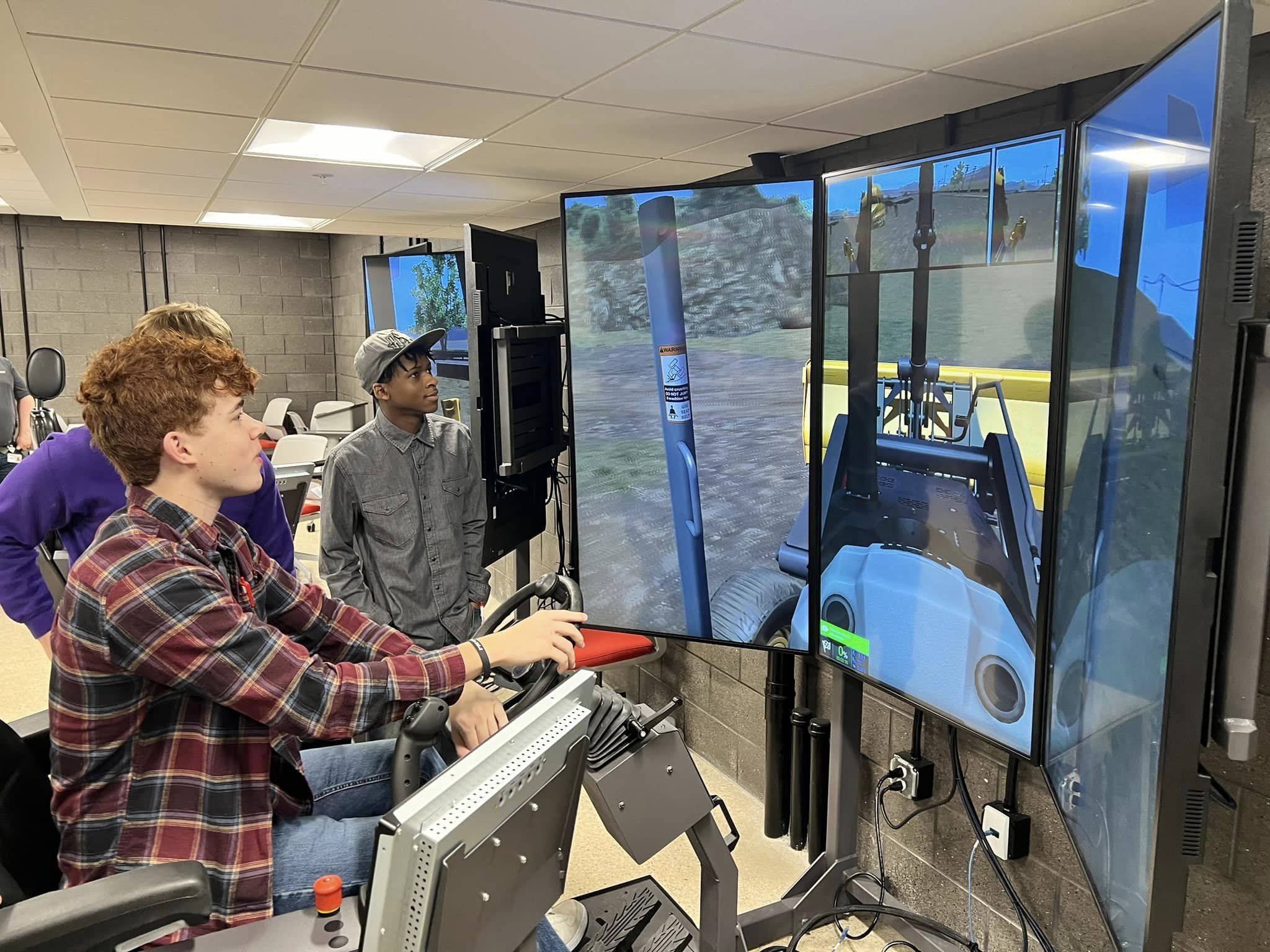
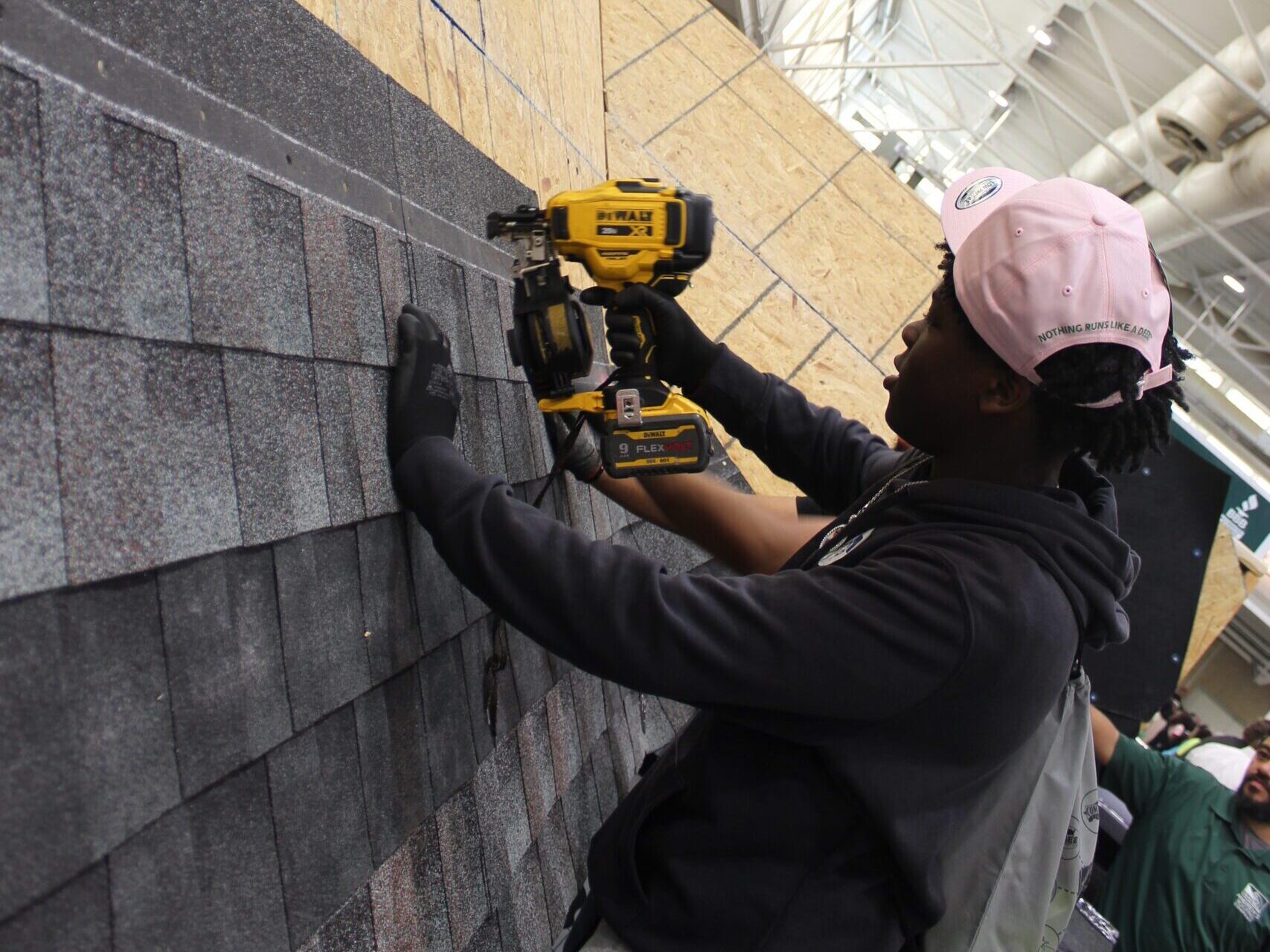
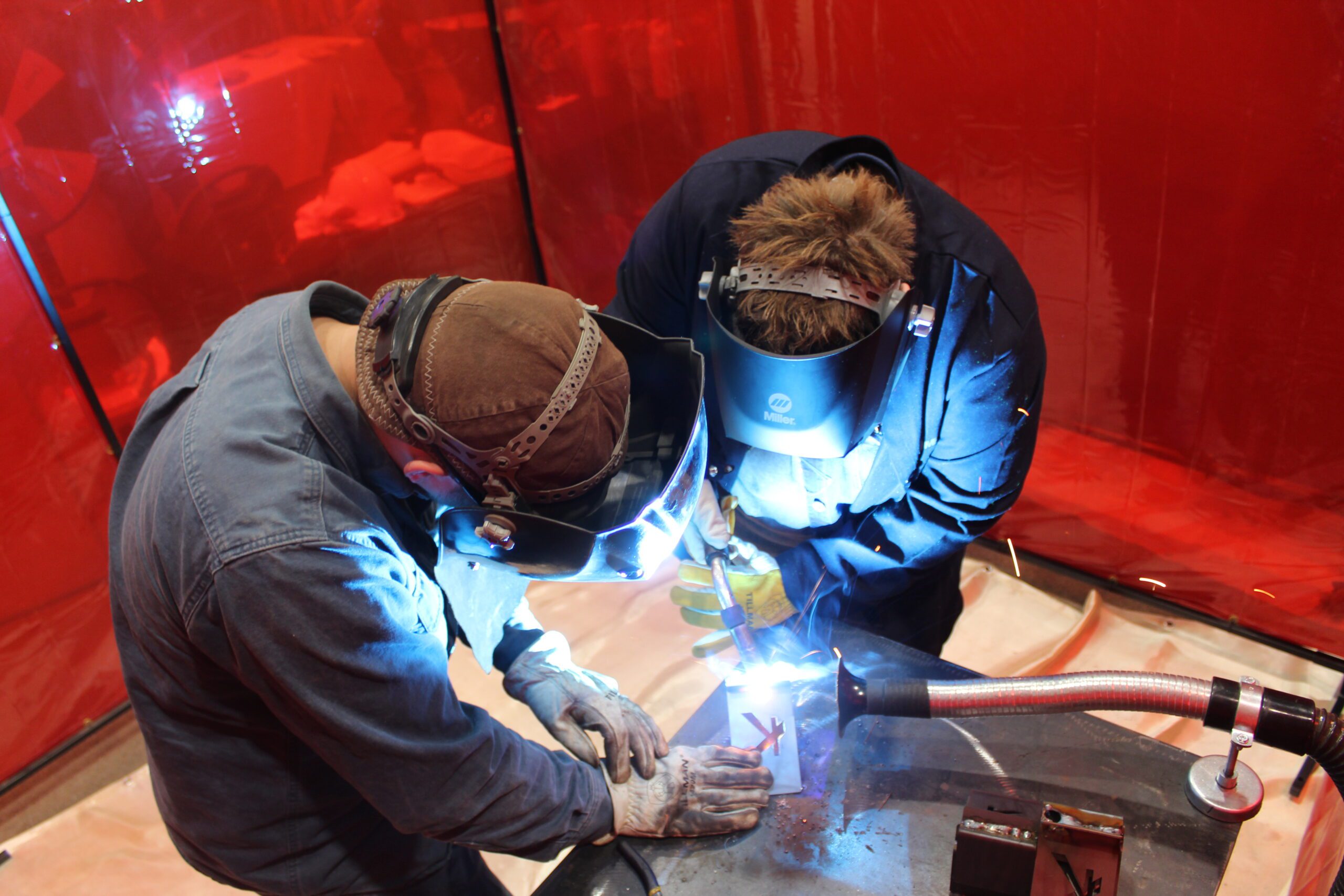
When students have access to and participate in a continuum of career-connected learning and work-based learning opportunities such as job shadows, interactive career fairs, internships, apprenticeships, and sustained project-based learning, they do more than learn about jobs—they practice professionalism. They:
- Navigate expectations
- Receive feedback
- Learn to communicate across generations
- Experience accountability
- Begin to see themselves as capable contributors
These experiences must begin before a student reaches the critical point where they are making post-high school decisions. Opportunities in middle school assist students in exploring career pathways, selecting appropriate classes, planning for participation in career and technical education programming, and considering concurrent enrollment options.
Part II: The momentum is building.
Understanding Generation Z: Opportunity, Not Liability
Work-based learning is especially important for Generation Z. Gen Z is often described as the work-life balance generation. They value flexibility, purpose, and lifestyle. They do not automatically equate a corporate job with security. Many see work not as the ultimate goal of adulthood, but as the means to build the life they want. That perspective is not a liability—it’s an opportunity.
If we want young people to invest in developing professional skills, we must show them how those skills unlock the life they envision. When students experience the workplace early, they can connect effort to opportunity. They see how:
- Communication leads to leadership
- Adaptability leads to advancement
- Collaboration leads to innovation
- Work-Based Learning makes that connection real.
Iowa’s Growing Momentum
In Iowa, momentum is building. Participation in work-based learning across the state has grown significantly in recent years. According to the 2024–25 Iowa School Performance Profile, 45% of high school seniors participated in WBL experiences, a significant increase from 31.7% in 2023–24 and 25.5% in 2022–23. This upward trend demonstrates a clear and growing commitment across Iowa school districts to preparing students for career and postsecondary success.
Together, Iowa schools, post-secondary education, and iJAG are creating stronger connections between education and the workforce—ensuring more students graduate prepared for what comes next. Work-based learning elevates real-world experiences that equip students with the skills, confidence, and direction needed to enter high-demand career pathways or continue their education.
The Business Case: Employers as Co-Educators
But this work only succeeds when businesses step forward as partners. According to YouScience, 40% of CTE leaders have difficulty finding employer partners for work-based learning, citing challenges with scheduling, liability, and awareness of options for involvement. Employers should not be bystanders in workforce development. They are co-educators. When businesses host job shadows, mentor students, provide internships, or collaborate on career pathway development, they are actively shaping their future workforce.
Part III: The value is proven.
The Return on Investment is Tangible:
Reduced hiring risk: Employers see students’ skills and work ethic before making a hiring decision.
Stronger retention: Young employees who understand a company’s mission and culture early are more likely to stay.
Cultural strength: Teams that practice principles of apprenticeship—where everyone is both teacher and learner—perform better across generations.
Community vitality: Students who see opportunity locally are more likely to build their futures locally.
Thriving in a Multigenerational Workforce
In a multigenerational workforce, this collaboration matters more than ever. Today’s workplaces include Baby Boomers, Gen X, Millennials, and Gen Z. Each generation brings strengths—experience, adaptability, digital fluency, and innovation. Work-Based Learning teaches young people how to contribute respectfully, learn from experience, and add value early. It fosters the trust and shared purpose that high-performing teams require.
Strengthening Work-Based Learning Through Strategic Partnerships
Strong partnerships with economic development organizations, business associations, chambers of commerce, and postsecondary institutions are essential to expanding high-quality career-connected and work-based learning (WBL) opportunities across Iowa.
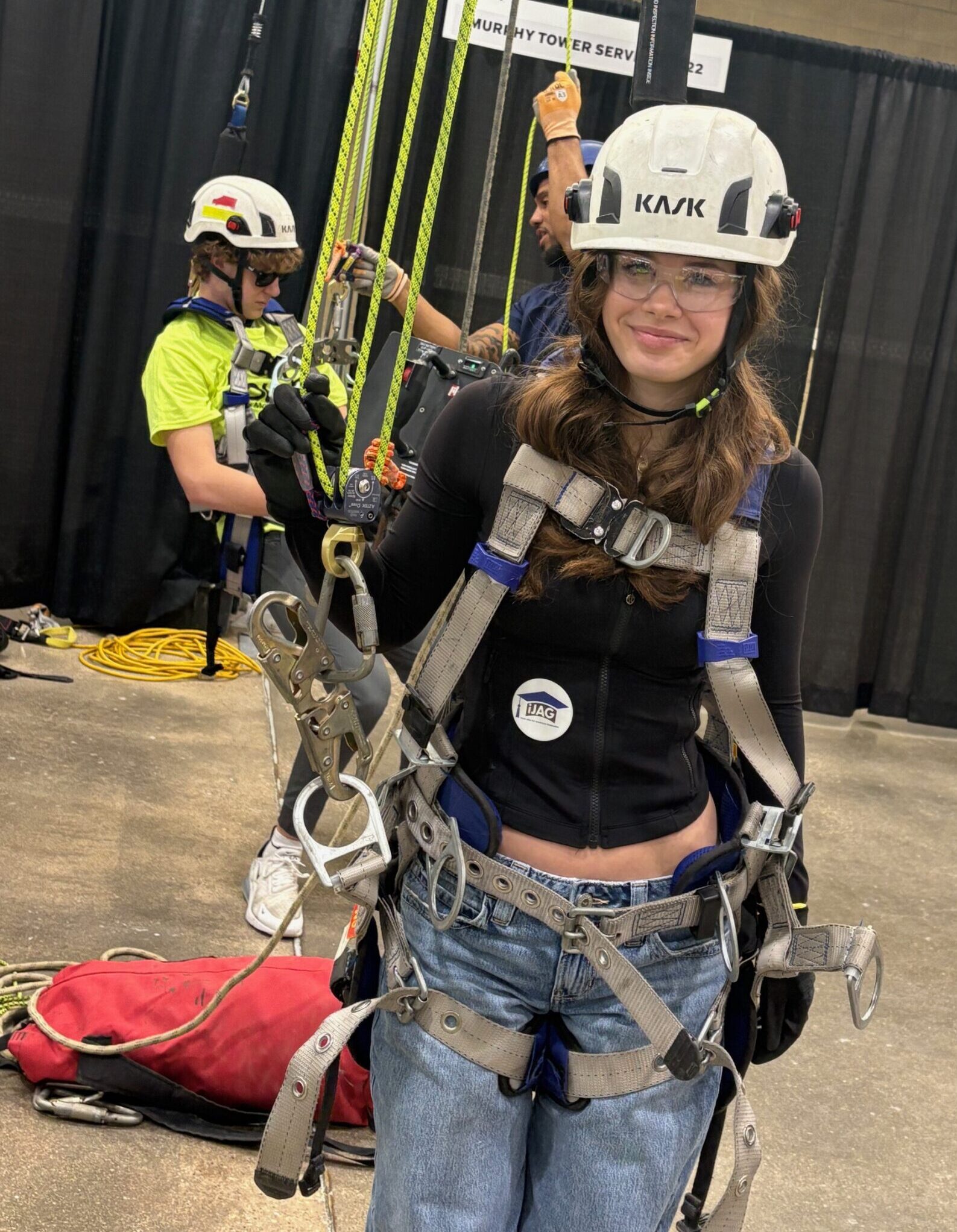
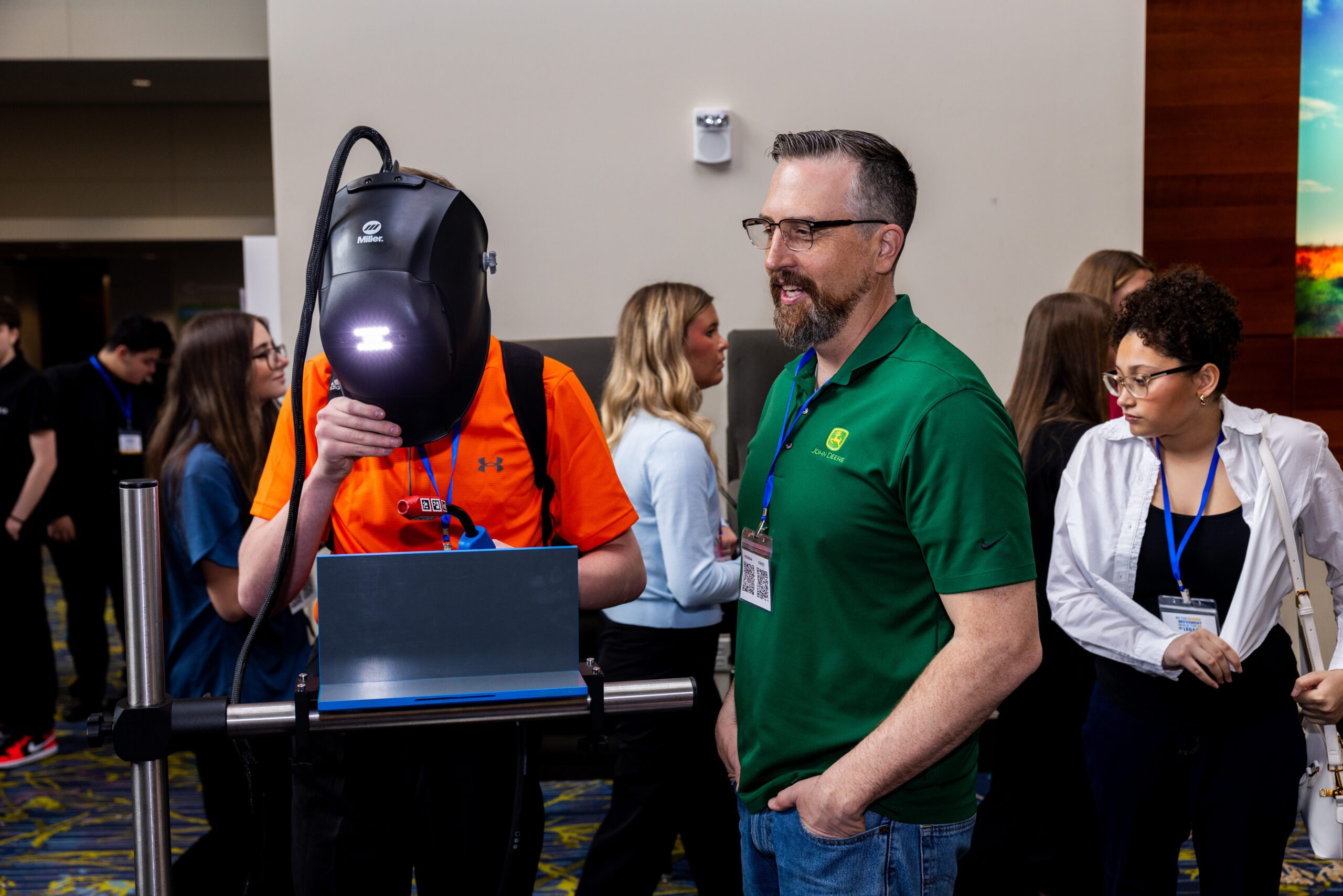
iJAG is proud to collaborate with the Association of Business and Industry (ABI) and Kuder on a pilot initiative designed to connect more students to career pathways in the skilled trades and manufacturing sectors. This effort focuses on aligning student interests and preparation with high-demand industry needs, helping build a stronger talent pipeline for Iowa employers.
Through our partnership with Kuder’s Connect2Business work-based learning data system, iJAG is helping facilitate connections between students and employers. This innovative platform allows businesses to post opportunities while providing a centralized system to manage required student documentation, training plans, and readiness verification. With staff confirming that students are prepared for the experience, the system creates a seamless, efficient process that benefits students, schools, and employers alike.
Together, these partnerships are strengthening Iowa’s workforce ecosystem—ensuring students gain meaningful, career-connected experiences while employers build the talent pipeline they need.
The Call to Action
Iowa cannot afford to leave this to chance. The call to action is simple: Get involved. Host a student. Mentor a class. Offer an internship. Partner with programs like iJAG, high school work-based learning programs, post-secondary programs, and Career and Technical Education (CTE) programming. Align your workforce needs with educational pathways. Grow your own talent pipeline.
Work-Based Learning is not an expense. It is an investment in economic resilience. When schools, employers, and communities unite around real-world learning, we are not just preparing students for jobs—we are building Iowa’s future. And when young people experience the world of work early, they don’t just envision their futures—they start taking the steps to achieve their goals.
The question is not whether we can afford to engage in Work-Based Learning. The question is whether we can afford not to.